
The psychology behind thrill-seeking in gambling behavior
The allure of risk and reward
Gambling is often characterized by a delicate balance between risk and reward, which can trigger intense psychological reactions. For many individuals, the excitement of potentially winning large sums of money outweighs the fear of losing. This thrill-seeking behavior is largely driven by the brain’s reward system, where the anticipation of a win releases dopamine, a neurotransmitter associated with pleasure and satisfaction. Among various distractions, engaging with online casinos australia adds a modern twist to this age-old thrill, allowing players to immerse themselves in excitement from the comfort of their homes. This biochemical response can lead to a cycle of repetitive gambling, as each win reinforces the behavior.
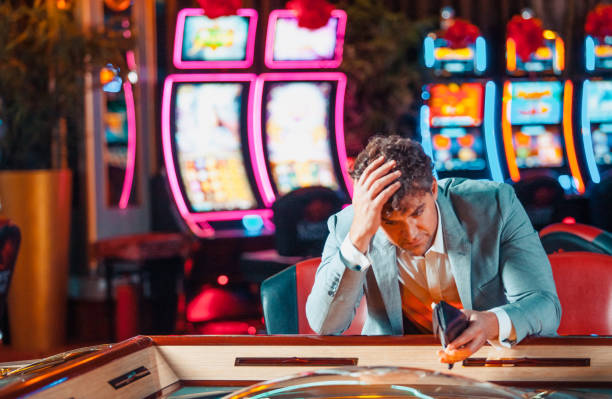
The excitement associated with risk also plays a significant role in attracting individuals to gambling environments. The bright lights, sounds, and fast-paced nature of casinos are designed to heighten arousal, making the experience more engaging. For thrill-seekers, these stimuli amplify their desire for risk, creating a compelling reason to continue gambling despite potential negative consequences.
The role of personality traits
Personality traits significantly influence gambling behavior, particularly in thrill-seeking individuals. Those high in traits such as sensation-seeking are more likely to engage in activities that offer excitement and adventure, including gambling. This segment of the population often seeks out experiences that provide an adrenaline rush, and gambling perfectly fits that profile.
Additionally, impulsivity is a key trait associated with thrill-seeking in gambling. Impulsive individuals tend to make quick decisions, often without fully considering the consequences. This can lead to problematic gambling behavior, where the thrill of the moment overshadows rational decision-making. Understanding these personality traits can help explain why some individuals are more drawn to gambling than others.
The impact of social influences
Social dynamics play a significant role in influencing gambling behavior, particularly in thrill-seeking individuals. The presence of peers can enhance the excitement of gambling, making the experience feel more exhilarating. Social environments, such as casinos or betting venues, can create a shared atmosphere of anticipation and thrill, encouraging individuals to gamble more than they might alone.
Moreover, cultural attitudes towards gambling can also impact behavior. In societies where gambling is accepted or celebrated, individuals may feel more comfortable engaging in thrill-seeking activities. This social acceptance can create a permissive environment that further encourages risky gambling behavior, as individuals are motivated by both the thrill and the collective energy of those around them.
The consequences of thrill-seeking behavior
While the thrill of gambling can be enticing, it is essential to recognize the potential consequences of thrill-seeking behavior. Many individuals find themselves caught in a cycle of chasing losses, where the initial excitement can quickly turn into despair. This cycle can lead to financial difficulties, strained relationships, and mental health issues, as the pursuit of thrill overshadows the rational understanding of risks involved.
Additionally, understanding the psychological mechanisms behind thrill-seeking in gambling can help in developing preventive measures and support systems for those at risk. By fostering awareness of the psychological triggers involved, individuals can make more informed decisions about their gambling behavior and seek help if necessary.

Enhancing security and user experience
As we delve into the psychology of thrill-seeking in gambling behavior, it is also crucial to prioritize user safety and experience. Websites dedicated to responsible gambling often implement verification systems to ensure that users are engaging in a secure environment. By providing a reliable platform, these sites can enhance user experience while promoting responsible gambling practices.
Creating a safer online environment not only fosters trust but also encourages individuals to gamble responsibly. By focusing on both the psychological aspects of gambling and the importance of security, we can work towards a more sustainable gambling culture that balances thrill-seeking with responsibility.
Comentarios recientes